How India's Logistics Fleets Prevent Fuel Loss and Optimize Delivery Networks
Introduction
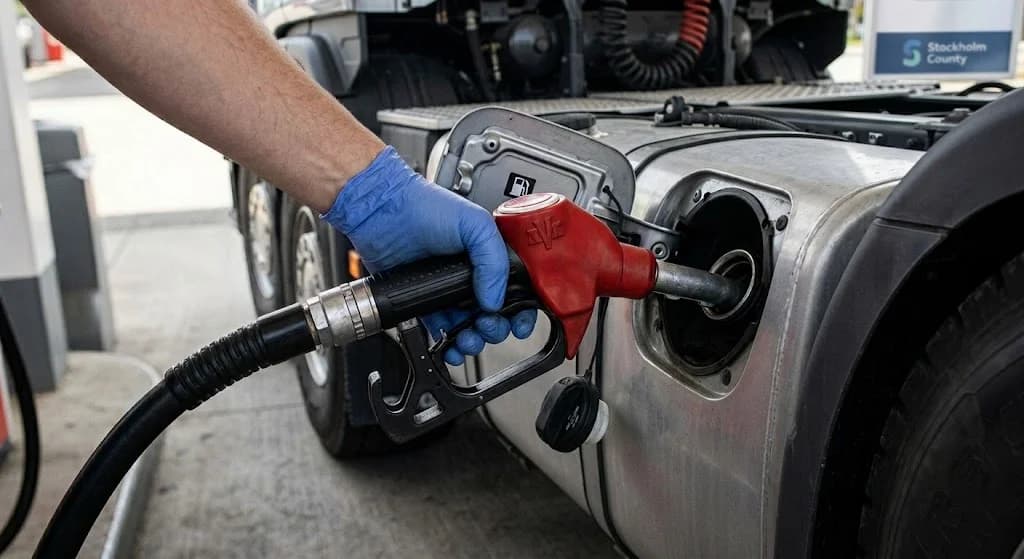
Fuel expenses represent the single largest operational cost for logistics companies in South Asia, often accounting for up to 40% of total fleet running costs. In busy transport hubs like Mumbai, Delhi, and Bangalore, fleet managers face continuous challenges: preventing fuel siphoning/theft, ensuring cargo security, and maintaining continuous vehicle visibility across rural transit corridors with poor telecom signals.
To protect slim margins and improve delivery times, leading Indian logistics providers are deploying advanced telematics solutions. This guide details key strategies to combat fuel loss and optimize transport networks across India.
1. High-Accuracy Capacitive Fuel Sensor Integration
Standard dashboard fuel gauges are inaccurate, only showing approximate fuel levels. To prevent siphoning, transport operators require real-time fuel metrics. This is achieved by installing high-precision capacitive fuel sensor rods directly inside the vehicle's diesel tanks.
These sensors measure fuel volume modifications with 99% accuracy. The telemetry platform constantly processes these readings. If a sudden drop in fuel volume is detected while the truck is parked or stationary, the rules engine triggers an immediate alert via mobile push notifications and SMS. This allows fleet managers to detect fuel theft incidents in real time, saving thousands of rupees in lost fuel assets.
2. Overcoming Rural Network Gaps with Offline GPS Buffering
Transit corridors connecting major Indian cities often pass through rural areas with weak cellular coverage. Standard real-time GPS tracking systems fail on these routes, creating blind spots where dispatchers cannot monitor vehicle location or verify driver stop times.
Advanced telematics systems resolve this by utilizing offline data buffering. When a vehicle passes through a cellular dead zone, the GPS tracker logs coordinates, speed, and fuel readings locally to its internal memory. The moment the vehicle connects to a stable GSM network, the buffered data is uploaded, filling in any gaps in the route timeline. This ensures logistics companies maintain complete route compliance logs for audit reports.
3. Mobile Dispatching & Driver APIs (Mobotrack)
For last-mile delivery and express courier networks, installing expensive OBD-II hardware in every vehicle is not cost-effective. Instead, logistics operators use mobile tracking APIs like Mobotrack. This software runs on the driver's smartphone, tracking locations, logging deliveries, and recording dispatch updates without high hardware installation costs.
Conclusion
Securing fleet margins in India's logistics landscape requires robust, localized telematics tools. FleetInfinity provides Indian operators with high-accuracy fuel audits, offline buffering capabilities, and white-label platforms. To see how FleetInfinity can optimize your logistics network, contact our team to book a live demo.
More in Fleet Management Tips
Fleet Management Tips
Launching a GPS Tracking Business in Morocco: White-Label Platform
The telematics market in Morocco is growing rapidly. Discover how to launch your own GPS tracking brand with custom web portals and OBD diagnostics.
Read MoreFleet Management Tips
Optimizing Fleet Efficiency in Extreme Climates: A Guide for GCC Transport Operators
Operating fleets in the GCC summers presents extreme temperature challenges. Learn how AC idling audits and hardware-agnostic offline buffering can secure your operations.
Read MoreFleet Management Tips
5 Ways AI Dashcams Are Revolutionizing Fleet Safety
AI dashcams go far beyond recording accidents. From real-time driver coaching to reducing false claims, here are five ways computer vision technology is transforming fleet safety and saving operators thousands per vehicle per year.
Read MoreSee FleetInfinity in Action
Discover how our platform can transform your fleet operations.